Data Centers: The Great Debate
What is the deal with the debate about data centers? Why are they such a polarizing issue?
By onPaigeOne · Sep 2, 2026, 2:20 PM
6 other readers have checked out this article
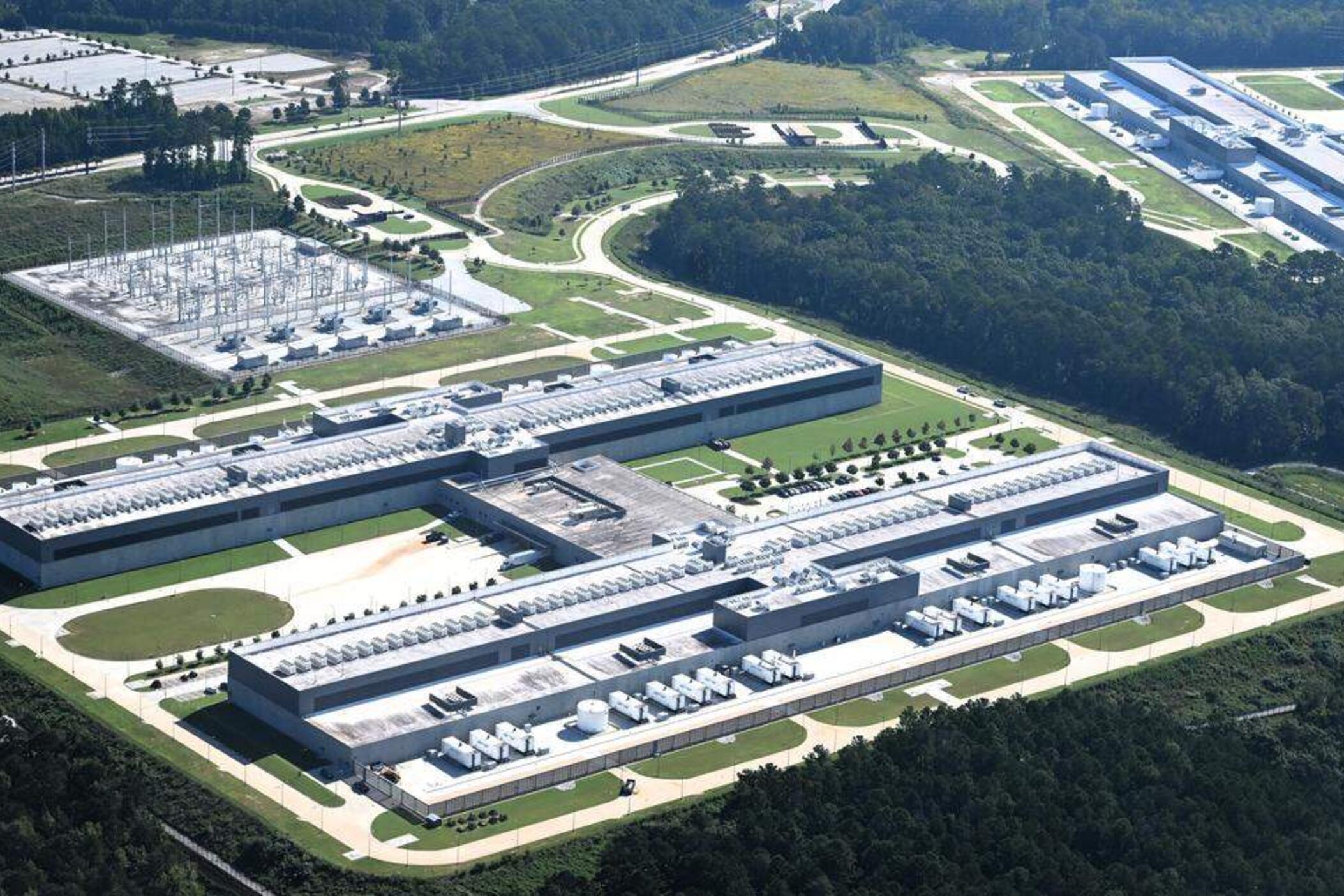
Everyone has a take on data centers. One side will tell you it’s the only way for the US to progress. The other will tell you that they will completely drain the water supply and create sky high electric bills. There are pieces of the truth on both sides.
A data center is a warehouse full of computers. It stores your photos, runs your bank app, keeps Netflix from dying at 8 pm, and now trains the AI models every company is racing to own. They have always existed. People act like they are a new invention. The argument is that the new ones are enormous, they want power yesterday, and they are showing up in places that did not ask for one.
US data centers used about 192 terawatt-hours of electricity in 2024, roughly 4.7% of American power. A Department of Energy backed study says that could land between 9.5% and 15.3% of US electricity by 2030 if the buildout continues at this current pace. The middle estimate is about 12%. That is a sizable piece of US electricity consumption. It is also not “they are eating the entire grid.”
The Energy Information Administration says data centers are a big reason US power demand is rising again after years of almost no growth. Commercial electricity use is climbing fast enough that it is set to pass residential use. AI is the accelerant.
Water is the other resource people worry about. A large facility using evaporative cooling can pull millions of gallons a day. Nationally, data centers are still a sliver of US freshwater use. Locally, that sliver can be a third of a small utility’s production. Google’s sites in The Dalles, Oregon, became the example: hundreds of millions of gallons a year, a serious chunk of what that town treats. California almond farms use 1.5–1.8 trillion gallons of fresh water per year. US data centers and the power plants they draw from use roughly 230 billion gallons of fresh water annually. Obviously, this number could skyrocket if every state were to green light data centers overnight.
The Internet is not a cloud. It is comprised of buildings, fiber, and power plants. Every sector of business and the US economy depends on the Internet. If you want the US to host that instead of handing it to somebody else’s grid, the boxes have to live somewhere.
Data center construction is an enormous job generator. These projects are billion dollar work sites. Electricians, pipefitters, HVAC, steel, concrete, etc. will have work for 18-36 months after ground break. However, after construction concludes, a typical site is not a job factory. Recent research puts ongoing local employment in the hundreds, not thousands, for a first big facility in a county. Some papers find a bump in construction and information jobs and a small lift in home prices. The “it will turn us into a tech hub” pitch is the part that usually does not happen.
Taxes for the area rise significantly with data centers. Loudoun County, Virginia, the loudest data-center county in the country, has used that property tax for schools, fire stations, libraries, roads, and parks. DeKalb, Illinois, has pointed to tens of millions extra for schools after Meta arrived.
Power is the real fight. A data center can go up in a couple of years. A transmission line or a new plant can take much longer. In tight grids, that load competes with houses and factories. PJM, the grid that covers a huge slice of the mid-Atlantic, saw capacity costs explode, and data centers ate a large share of the increase. Residential rates nationwide are already up sharply this decade. In the most exposed utility territories, a noticeable piece of the bill increase traces back to this load, while the company that caused it often negotiates a special rate.
Job creation gets oversold. After the ribbon cutting, you may have a few dozen full time techs and a lot of empty parking at 2 am. If the town gave away taxes to land the project, you just traded a quiet field for a loud building and a small payroll.
A May 2026 Gallup poll found about 7 in 10 Americans do not want an AI data center in their own area. That is not a conspiracy. That is people doing the math on who gets the stock price and who gets the substation. Not every announced campus gets built. Forecasts keep getting revised. The panic number and the press release number are both padded.
Data centers are infrastructure. Infrastructure is never free. You already use what they sell. At the end of the day, no matter the backlash, progress is inevitable. Technology will move forward no matter what. I’m not a big fan of having a huge building right outside my door, but I also like the Internet. I like Netflix. I like convenience.
The post behind the story
Share this story and follow the reporting on X.
The onPaigeOne briefing
A quick, weekly wrap up. No spam AT ALL. Sundays @ 8 am central.
Related stories
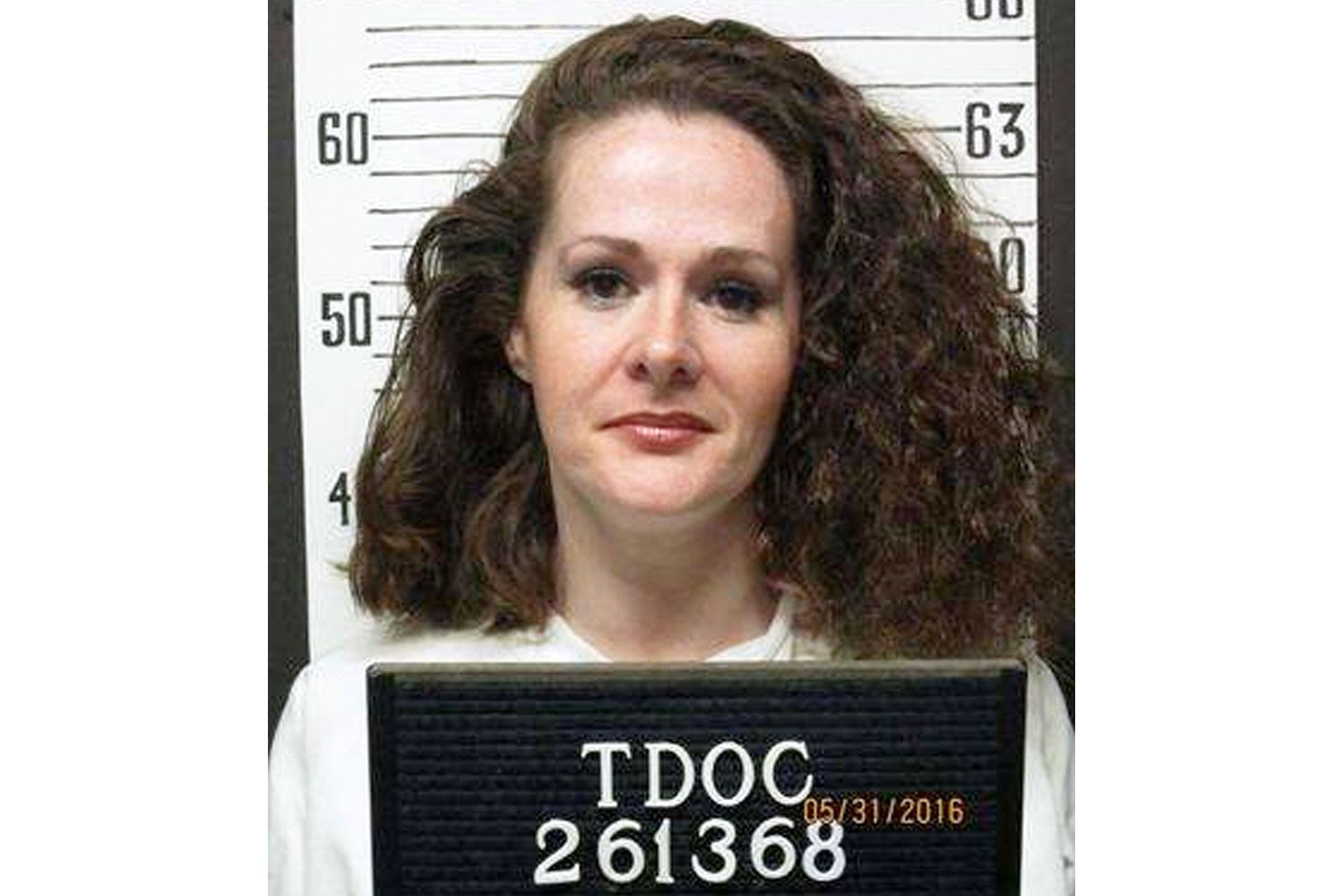
Social Media Obsession with Murderers - Christa Pike
Christa Pike's face is on every post. Is the death penalty inhumane or necessary?
Oct 1, 2026, 3:54 PM · 23 views

The Sydney Sweeney Phenomenon
Sydney Sweeney has become a surprisingly controversial figure. Is she really setting feminism back or is she just exercising her right to bodily autonomy?
Sep 17, 2026, 9:10 AM · 10 views
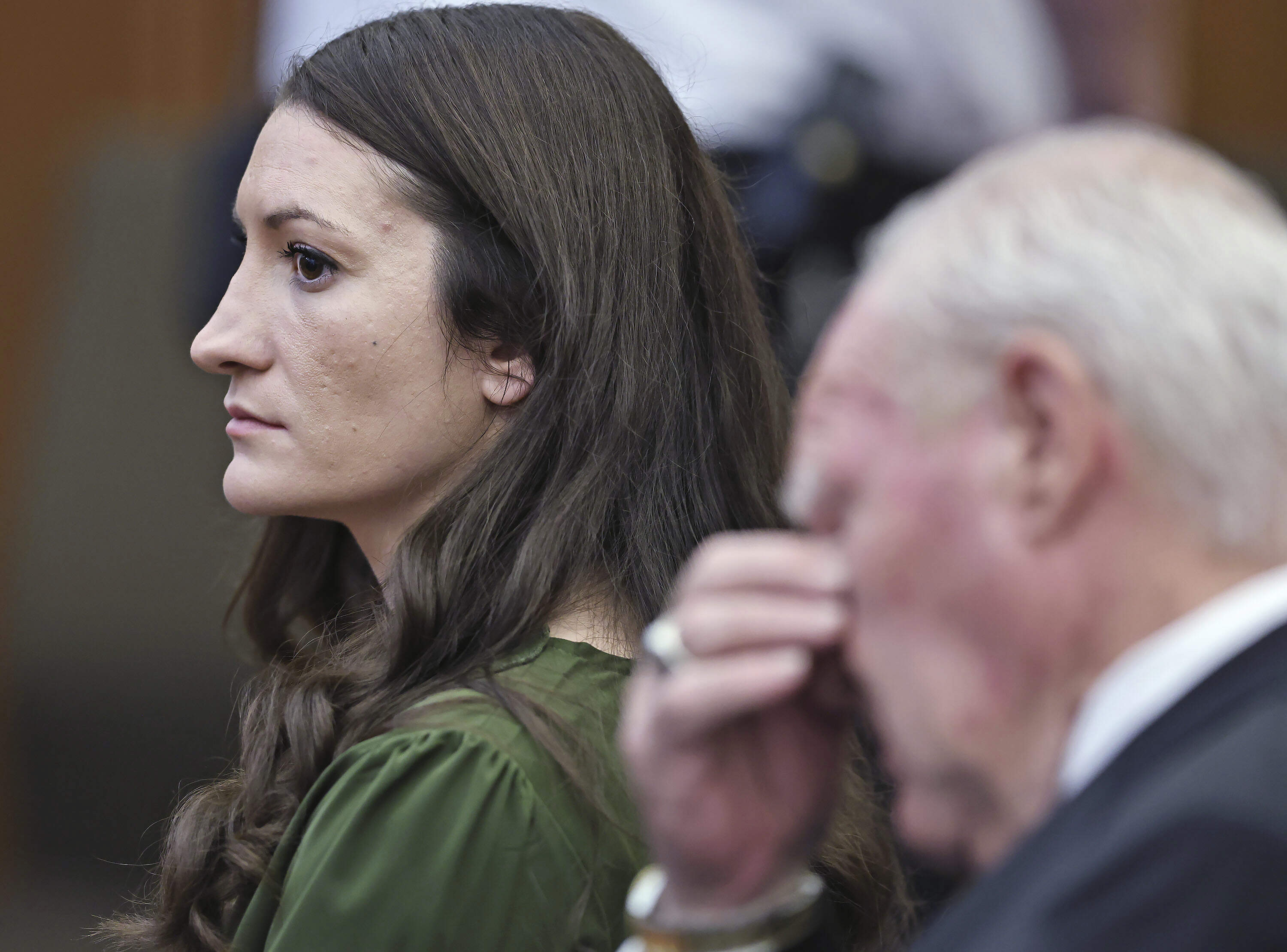
UPDATE: The Supreme Court DENIES Defense Motion to Remove Juror, MISTRIAL DECLARED
One juror stands strong against an imminent non-guilty verdict
Sep 4, 2026, 12:31 PM · 7 views

Bernie Sanders Proposes Banning Artificial Superintelligence
Congress wants to ban further advancements for AI, but what will that mean for the US?
Sep 3, 2026, 3:35 PM · 4 views
More from Politics
See topic →- UPDATE: The Supreme Court DENIES Defense Motion to Remove Juror, MISTRIAL DECLAREDSep 4, 2026, 12:31 PM
- Bernie Sanders Proposes Banning Artificial SuperintelligenceSep 3, 2026, 3:35 PM
- President Trump Renames Lake Ontario to Lake AmericaAug 27, 2026, 3:21 PM
- US Threatens More Tariffs After Canada Talks CollapseAug 25, 2026, 3:00 PM
Comments
Create a free profile to join the conversation.
Sign in / Join free